Resorts World New York City Pushes for Tax Adjustment on Racing Payments
Ulrich Wolf · Sep 6, 2026

Resorts World New York City Pushes for Tax Adjustment on Racing Payments
Resorts World New York City, operated by Genting and opened in April 2026 as the first full-scale casino in downstate New York, has initiated lobbying efforts with Governor Kathy Hochul’s administration along with Queens lawmakers, seeking to lower its effective tax burden by hundreds of millions of dollars each year. The facility contends that its proposed 56 percent tax rate, which already includes contributions to the state’s horseracing industry, should cover those required payments without triggering an additional levy that could reach approximately 16 percent or 150 million dollars annually. Company representatives have indicated that an unresolved dispute might prompt cancellation of a planned 3.3 billion dollar expansion that would add a 2,000-room hotel, an arena, increased slot machines and table games, and thousands of jobs.
Background on the Casino’s Operations and Tax Structure
The casino opened its doors in April 2026 under a license that established a base tax framework for gaming revenue. State regulations require separate payments to support the horseracing sector, yet Resorts World maintains these obligations fall within the 56 percent rate already negotiated during the licensing process. Company documents from its 2025 bid outline how the inclusive rate was intended to encompass such contributions, avoiding what the operator describes as an unintended double assessment that would push the effective rate on slot revenue as high as 72 percent.
Lobbying Efforts and Proposed Adjustments
Since the September 2026 meetings began, the casino has presented detailed financial projections to state officials, demonstrating how the additional racing support payment would reduce projected annual revenue by roughly 150 million dollars. These sessions have focused on clarifying the original intent of the tax language in the license agreement, with company attorneys arguing that the racing contributions were factored into the 56 percent figure from the outset. Lawmakers in Queens have received briefings on the potential employment and construction impacts tied to the expansion, while the administration reviews whether regulatory language permits such an interpretation.
Details of the Planned Expansion and Economic Stakes
The proposed 3.3 billion dollar project includes construction of a 2,000-room hotel tower, a multi-purpose arena, expanded gaming floors with additional slots and tables, plus infrastructure supporting thousands of permanent positions. Resort officials have stated that without relief on the tax calculation, the full scope of this investment becomes economically unfeasible. Construction timelines outlined in the original bid documents scheduled groundbreaking for late 2026, yet those plans now hinge on resolution of the tax matter before further capital commitments proceed.
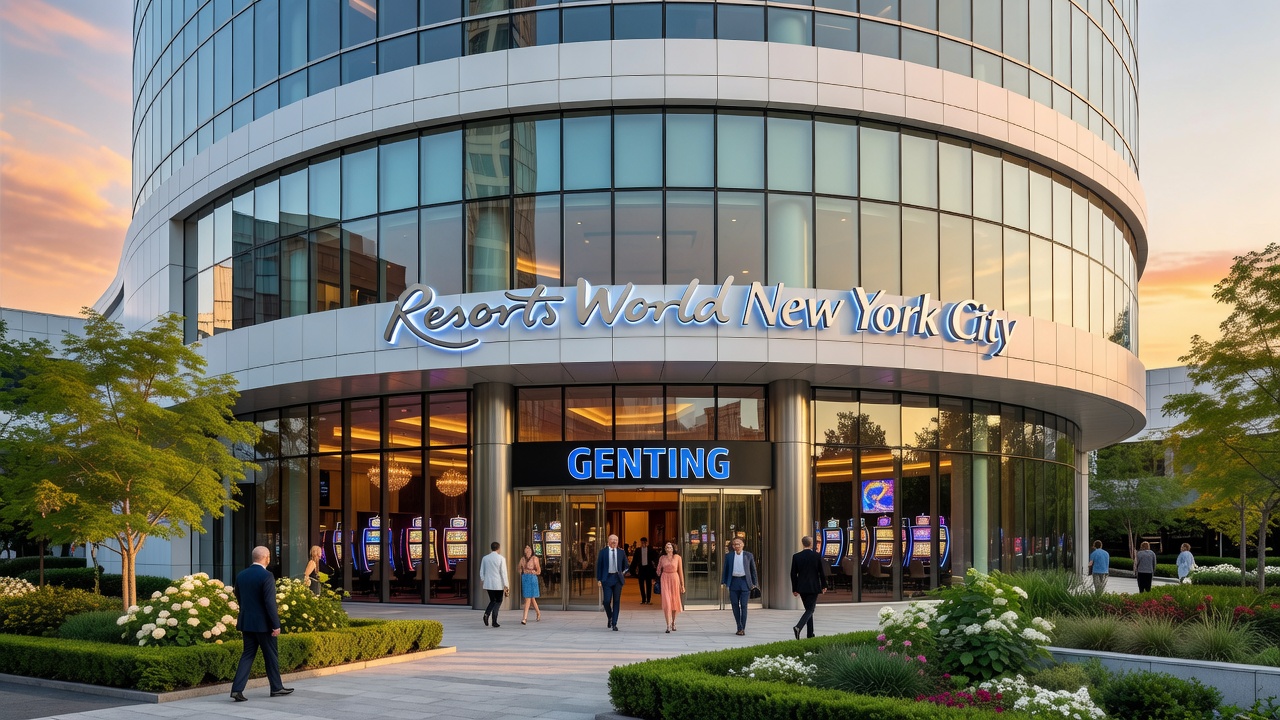
State economic analyses tied to the license application projected substantial tax collections from the facility once fully operational. Those projections assumed the higher effective rate on slots, creating a gap between the casino’s interpretation and the revenue expectations maintained by regulators. The company has emphasized that preserving the lower combined rate would still deliver significant state revenue while enabling the expansion to generate additional economic activity across Queens.
State Position and Regulatory Interpretation
Administration officials maintain that payments supporting the horseracing industry remain distinct obligations outside the 56 percent gaming tax rate. Under this view, the effective tax on slot revenue can reach 72 percent once both components are calculated separately. Regulatory staff have pointed to the original license terms and subsequent enforcement guidance as establishing these payments as additive rather than inclusive. No formal determination has been issued yet, leaving the matter open for further negotiation or potential litigation.
Potential Legal and Legislative Pathways
Both sides have acknowledged the possibility that the disagreement could reach the courts if administrative discussions do not yield agreement. Legal teams for the casino have prepared arguments centered on contract interpretation and the original bid documents, while state counsel would defend the regulatory separation of racing support payments. Legislative options include proposals to amend the tax language through new statutes, though such measures would require action by the state assembly and senate before any adjustment could take effect.
Timeline and Next Steps in the Dispute
Meetings between the casino, executive branch staff, and Queens representatives have continued through September 2026, with additional sessions scheduled to review updated financial models. The administration has requested further documentation from the operator regarding how the 56 percent rate was derived during the 2025 bidding process. Meanwhile, the company has signaled that decisions on the expansion must occur before the end of the year to align with construction permitting cycles. Observers note that resolution before year-end would allow the project to maintain its original schedule, whereas delays could shift groundbreaking into 2027 or beyond.
Conclusion
The tax classification dispute at Resorts World New York City centers on whether racing support payments are already embedded in the established 56 percent rate or must be added separately, creating an effective rate up to 72 percent on slots. The operator has linked resolution of this issue directly to proceeding with its 3.3 billion dollar expansion that includes a 2,000-room hotel, arena, and thousands of jobs. State regulators continue to treat the obligations as distinct, setting the stage for either negotiated settlement, legislative action, or court proceedings in the months ahead. The outcome will determine both annual tax collections from the facility and the scale of future development at the Queens location.